





-
STEAM, An Inter-Disciplinary Approach
STEAM is a curriculum approach. It is a frame for co-ordinating extra-curricular activities. It is a leadership imperative. It is a way of viewing the world. It represents an innovative approach to teaching and learning that is future-focused and cognisant of the anticipated world in which our children and young people will be living.
-
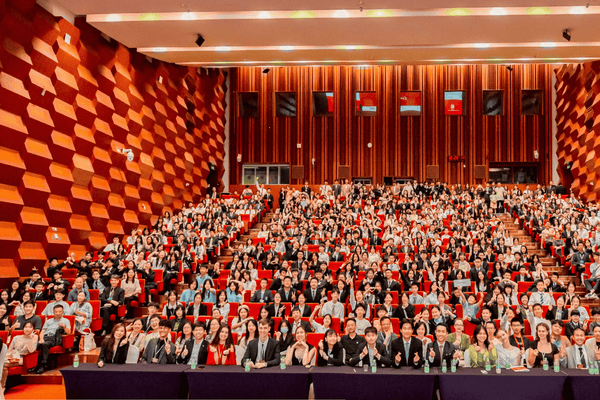
Harvard Model United Nations China 2026: Think Global. Speak with Impact. Lead the Future.
Harvard Model United Nations China Conference 2026 is coming to The Chinese University of Hong Kong, Shenzhen, bringing the official Harvard Model United Nations (HMUN) conference experience to China.
-
Creative Reskilling: The New Demand for Storytelling, Media Production and Cultural Literacy
Across international education, there is an increasing recognition that the purpose of schooling extends beyond the acquisition of knowledge alone.
-
How to Master IELTS Writing
The IELTS writing assessment rubric shows that achieving a high score in writing requires using a rich vocabulary and mastering complex lexical features naturally, making very few minor errors (mostly typos), using cohesive devices fluently to ensure coherence, organising ideas into well-structured paragraphs, and using a wide variety of grammatical structures flexibly and accurately.
-
Digital Futures: Going Further and Faster in an AI-Shaped World
Artificial intelligence is no longer a distant horizon for education. It is already reshaping how knowledge is created, how work is organised, and how societies make decisions.
-
IELTS Speaking Test: 4 Preparation Tips and 9 Pre-Test Tips to Help You Score Higher
As you prepare for the IELTS examination, developing strong and articulate speaking skills is essential to achieving a high band score. To support your readiness, we have outlined four key strategies designed to enhance your speaking ability and help you perform with confidence on the day of your assessment.
-
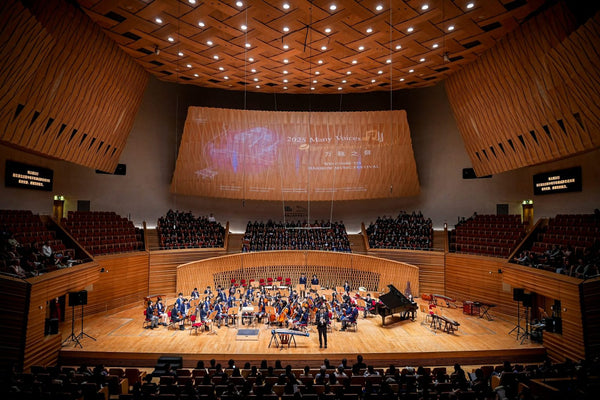
Why Music Matters More Than Ever in an Age of Upskilling
For centuries, the sound of music has been a defining thread of a Harrow education. It is the collective memory, from the reverberations of the famed Harrow songs to the vibrant ensembles in our AISL Harrow Schools today.
-
Exploring the Potential of AI Tools in Language Learning – A Reflective Analysis
The rapid rise of generative AI is expanding the teaching and learning frontiers to limits not yet explored at a pace not yet experienced.
-
Teaching Digital Professionalism: LinkedIn for Secondary School Students
In today’s competitive landscape, professional networking is no longer reserved for university graduates or seasoned professionals.
-
Why Grades Alone Aren’t Enough for the UK’s Most Competitive Universities
For many families, the UK admissions process seems straightforward: achieve top grades, submit a strong application, and secure a place. In reality, especially for highly selective universities and competitive pathways, grades are only the starting point.
-
How Top Applicants Prepare for UK Admissions Tests
For many students targeting the UK’s most selective universities and courses, strong grades are essential, but in today’s application environment, they may not be enough.
-
A whole-school approach to supporting your multilingual learners with adaptive strategies
In classrooms where learners speak multiple languages, the difference between access and exclusion is rarely a single strategy. It is the accumulation of small instructional decisions made, lesson after lesson, by different teachers.
Featured Products
Harvard Model United Nations Overseas Academic Exchange Programme 2027
Experience an unforgettable 9-day academic and cultural journey across Boston and New York, featuring the prestigious 4-day HMUN Boston Conference, Top University Visits and US Cultural Exploration. Join around 4,000 delegates from 50+ countries, connect with Harvard student organisers, visit leading universities including Harvard, MIT, Yale and Columbia, and discover iconic landmarks and cultural highlights across two of America’s most vibrant cities.
Application Deadline: November 30, 2026General English Course: Online
2026 Private Executive Communication Mentorship
Invest in the Edge that Sets Your Child Apart.
In school, in interviews, in leadership roles — communication directly influences results.
In 12 weeks, your child can develop the communication skills that shape how people see and remember them, forever.
The 2026 Private Mentorship is a personalized, one‑to‑one immersion that improves how your child thinks, speaks, writes, and presents themselves, at school and in every setting that matters.
Format: One to One
Duration: 12 Weeks
Frequency: Twice Weekly
Session Length: 60 Minutes
Total Sessions: 24
Communication Assessment & Individual Plan (60-Minute In-Person Session) We assess your child's current communication habits and skills to identify their key strengths and areas for improvement. Includes a tailor-made mentorship plan with feedback and recommendations.
Interested in learning more?
Register for our webinar,
Communication Is Not a Soft Skill Anymore
on 20 Aug 2026,
to discover why communication, critical thinking and real-time interpersonal skills are becoming even more important in the age of AI.
Guilin Geographical & Cultural Expedition
*** The fee including meal, accommodation, learning programme, group travel insurance.