



-
From Plans to Impact: Building Strategic Subject Action Plans
Why does subject leadership need to move beyond compliance towards sustained improvement?
-
Assessment in Bilingual Education: Complexities and Solutions
Bilingual education programmes have been flourishing around the world. They can be defined as programmes or approaches that combine curriculum content and additional language (hereafter L2) learning (Banegas & Zappa-Hollman, 2024).
-
The Most Influential Education Research of 2025: Key Findings Shaping Classrooms
As 2025 draws to a close, a remarkable body of research is reshaping how educators think about learning, teaching and student wellbeing.
-
Content and Language Integration Learning: 5 Practical Tips for Subject Teachers
Content and Language Integrated Learning (CLIL) is an educational approach where students acquire content alongside language through a subject course taught in an additional language.
-
Vocabulary: The Unsung Hero of Language Acquisition
Vocabulary is often underestimated and overlooked — yet it is one of the most important aspects of language acquisition.
-
Designing for Emerging Needs
The timeless Chinese proverb, “Learning is like rowing upstream; not to advance is to fall back,” resonates more strongly today amid rapid changes and rising expectations.
-
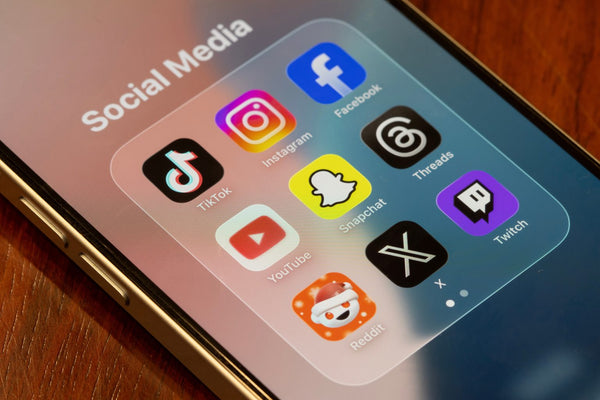
Australia’s World-First Social Media Ban for Under-16s: What the Law Is, Who It Targets, and What to Expect
Australia has introduced a world-first regulatory measure by enforcing a nationwide ban preventing individuals under the age of 16 from holding accounts on major social media platforms.
-
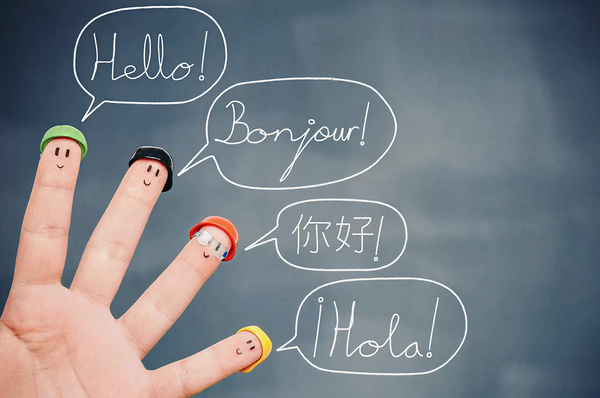
Translanguaging
In this article, Ruth Whymark, Associate Director of Education, explores two key approaches to language development in multilingual classrooms and analyses their impact on student learning, engagement and overall academic performance.
-
AI Literacy as an Identity Crisis Why Your AI Programme Is Missing the Point
A common misconception about AI literacy is that it’s about skills – teaching students to use AI to run faster on existing academic trajectories, to achieve professional goals, or to perform at higher levels.
-
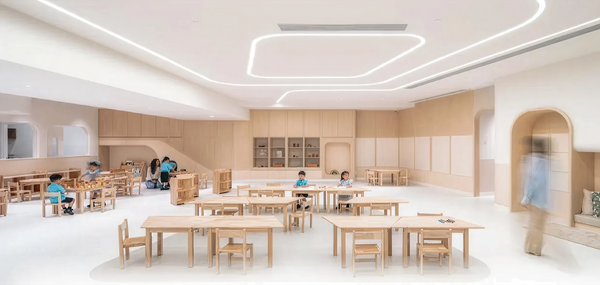
Designing Learning Environments That Work: Using Place to Support Teaching
When we think of school, we often picture rows of desks, whiteboards, and standardised schedules. Yet learning does not have to stay within four walls.
-
Curiosity: The Hidden Engine Behind Every Child’s Learning
Curiosity is one of those invisible forces that can transform children’s learning. Whether a child is exploring with wide-eyed wonder or asking why repeatedly, that drive to understand the world fuels attention, memory, and motivation. By nurturing curiosity early on, educators set the stage for deeper learning, stronger retention, and a lifelong love of discovery.
-
Shaping Multilingual Minds: A Conversation with Professor Linda Fisher
At AISL Harrow Schools, where corridors echo with a blend of English, Mandarin, and countless home and international languages, multilingualism is more than a skill. It has become a way of life.
Featured Products
Harvard Model United Nations Overseas Academic Exchange Programme 2027
Experience an unforgettable 9-day academic and cultural journey across Boston and New York, featuring the prestigious 4-day HMUN Boston Conference, Top University Visits and US Cultural Exploration. Join around 4,000 delegates from 50+ countries, connect with Harvard student organisers, visit leading universities including Harvard, MIT, Yale and Columbia, and discover iconic landmarks and cultural highlights across two of America’s most vibrant cities.
Application Deadline: November 30, 2026General English Course: Online
2026 Private Executive Communication Mentorship
Invest in the Edge that Sets Your Child Apart.
In school, in interviews, in leadership roles — communication directly influences results.
In 12 weeks, your child can develop the communication skills that shape how people see and remember them, forever.
The 2026 Private Mentorship is a personalized, one‑to‑one immersion that improves how your child thinks, speaks, writes, and presents themselves, at school and in every setting that matters.
Format: One to One
Duration: 12 Weeks
Frequency: Twice Weekly
Session Length: 60 Minutes
Total Sessions: 24
Communication Assessment & Individual Plan (60-Minute In-Person Session) We assess your child's current communication habits and skills to identify their key strengths and areas for improvement. Includes a tailor-made mentorship plan with feedback and recommendations.
Interested in learning more?
Register for our webinar,
Communication Is Not a Soft Skill Anymore
on 20 Aug 2026,
to discover why communication, critical thinking and real-time interpersonal skills are becoming even more important in the age of AI.
Guilin Geographical & Cultural Expedition
*** The fee including meal, accommodation, learning programme, group travel insurance.