








International Knights Model United Nations Conference
International Knights Model United Nations Conference
The Knights Model United Nations Conference 2026 is a prestigious four‑day academic simulation that immerses students in the traditions of global diplomacy. Delegates step into the role of international representatives to debate pressing world issues, develop policy solutions, and engage in refined parliamentary discourse, all within a culturally rich and intellectually rigorous environment.
Application Deadline: 30 June 2026
A free two nights of hotel accommodation in Hangzhou from 19 to 21 August for participants who are enrolled in both the SDG International Innovation Conference 2026 and the 2026 Knights World Model United Nations Conference; a single‑room upgrade is available at an additional USD 100.
***Please note that flight tickets are not included in the programme fee.
Application Deadline: 30 June 2026
A free two nights of hotel accommodation in Hangzhou from 19 to 21 August for participants who are enrolled in both the SDG International Innovation Conference 2026 and the 2026 Knights World Model United Nations Conference; a single‑room upgrade is available at an additional USD 100.
***Please note that flight tickets are not included in the programme fee.


描述
Learning Outcomes
*Upon enrolment and successful admission into this programme, you will be eligible for scholarships for the Coursera online courses leading to the Google Career Certificate, available exclusively on AISL Mall.

2026 Knights Model United Nations Conference
Model United Nations (MUN) is a simulation of United Nations where students act as diplomats, discussing global issues and finding solutions to real-world problems.
MUN has engaged over 1,100,000 students and hosted more than 60 conferences across various countries, including China, U.S., U.K., Indonesia, India, Malaysia, Philippines, Switzerland...
The Knights Model United Nations Conference 2026 is an internationally oriented academic programme designed to cultivate the next generation of global leaders through the study and practice of diplomacy, international relations, and multilateral cooperation. Drawing inspiration from the enduring values of British education — critical enquiry, eloquent expression, and principled leadership — the programme offers a refined platform for students to engage deeply with real-world global challenges.
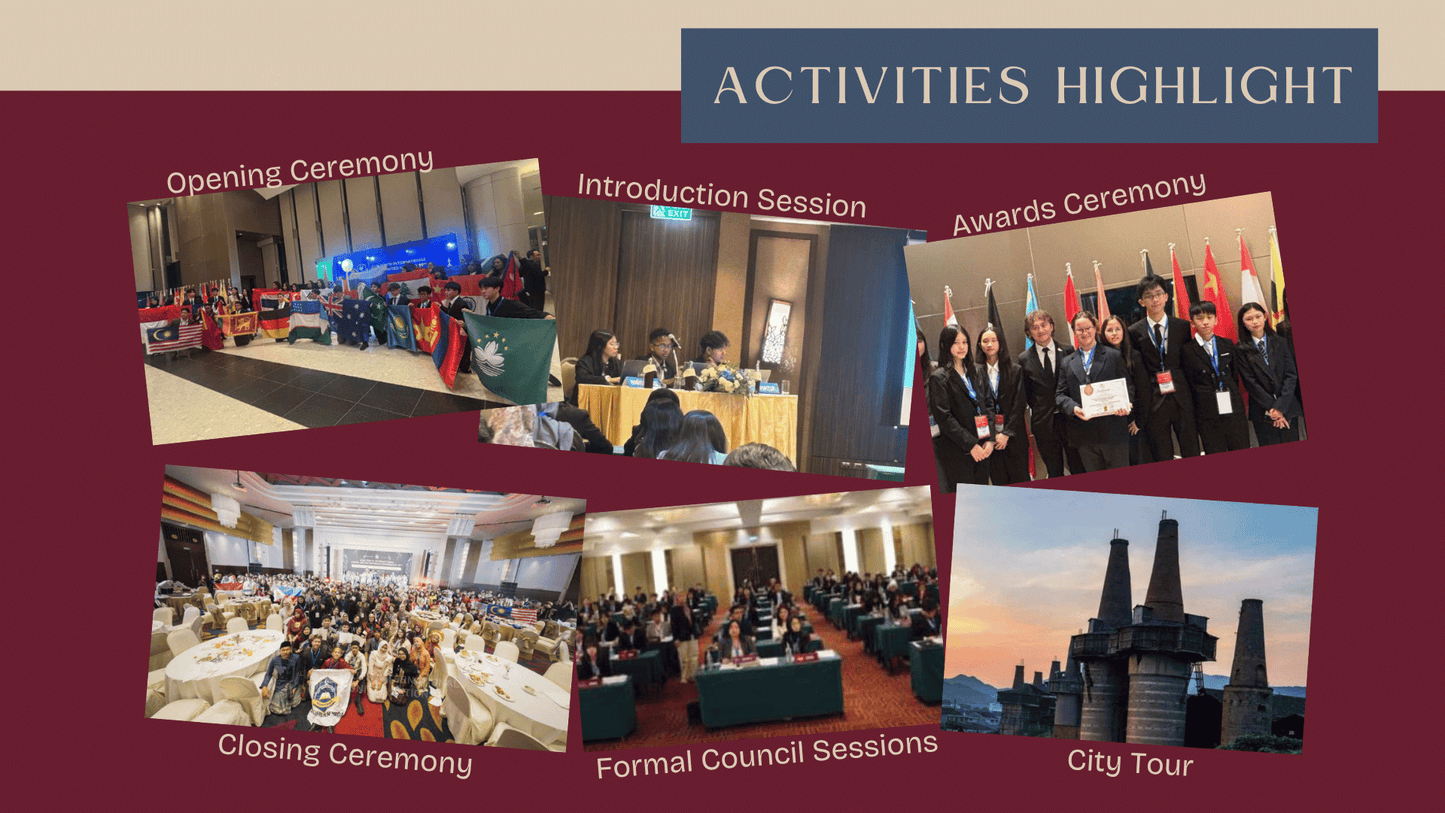
Through structured simulations of United Nations councils including UNICEF, WTO, UN Tourism, and UNCTAD, delegates develop a sophisticated understanding of international governance while mastering formal procedures such as general debate, moderated and unmoderated caucuses, drafting resolutions, and substantive voting. Participants are challenged to articulate national positions with clarity, negotiate respectfully across cultures, and build consensus in pursuit of sustainable and equitable solutions.
The conference theme — Technology Innovation, Empowering Education Development, International Collaboration for a Better Future — encourages delegates to explore how emerging technologies and international partnerships can shape global progress. Throughout the four days, students refine advanced skills in critical thinking, diplomatic negotiation, teamwork, and cross‑cultural communication, all within a collegiate atmosphere that mirrors the traditions of historic international forums.
Beyond committee sessions, the programme integrates cultural enrichment through curated city tours, allowing participants to experience the heritage and natural history of Cangnan, Wenzhou. This holistic approach ensures that learners not only grow academically, but also develop global awareness, confidence, and cultural literacy — hallmarks of a world‑class education
Event Overview
-
Date: 16- 19 August 2026 (4 days)
- Location: Cangnan People’s Hall, Wenzhou, China
-
Target Audience: Junior Delegates (ages 11–14), Senior Delegates (ages 15–25)
Approx. 200 students from Mainland China, Hong Kong, Macau, and international schools - Language: English
Programme Highlights
Academic Focus:
- Model United Nations formal procedures
- Global policy debates and resolution drafting
- Diplomatic negotiation and public speaking
- Technology, education development, and international cooperation
Councils:
- UNICEF
- WTO
- UN Tourism
- UNCTAD
Key Programme Highlights:
- Formal council sessions and general debates
- Moderated and unmoderated caucuses
- Resolution drafting and substantive voting
- Opening and closing ceremonies
- Awards recognising academic excellence and leadership
- Curated cultural and city exploration activities
In partnership with

Learning Outcomes
1. Global Awareness & International Mindedness
Demonstrate a sophisticated understanding of contemporary global issues, including education development, technological innovation, and international cooperation, through the lens of United Nations frameworks and mandates.
Analyse global challenges from multiple national and cultural perspectives, reflecting the values of international citizenship and mutual respect.
2. Diplomatic Communication & Oracy Excellence
Articulate national positions with clarity, confidence, and precision in formal debates, speeches, and negotiations, employing refined diplomatic language and parliamentary protocol.
Engage in persuasive public speaking and structured argumentation, demonstrating poise and intellectual maturity in high‑level academic forums.
3. Critical Thinking & Analytical Skills
Evaluate complex international problems using evidence‑based reasoning, policy analysis, and strategic thinking.
Synthesize diverse viewpoints to propose balanced, innovative, and sustainable policy solutions during moderated and unmoderated caucuses.
4. Negotiation, Leadership & Collaboration
Demonstrate effective diplomatic negotiation skills, including coalition‑building, consensus‑seeking, and principled compromise within multinational settings.
Exhibit leadership, responsibility, and teamwork while working collaboratively with peers from different cultural and educational backgrounds.
5. Academic Writing & Policy Formulation
Produce structured and well‑reasoned position papers and draft resolutions that reflect formal United Nations standards and academic integrity.
Apply formal MUN procedures, including motions, voting protocols, and resolution drafting, with accuracy and confidence.
6. Cultural Literacy & Personal Development
Develop cultural sensitivity and global etiquette through cross‑cultural engagement and experiential learning beyond the council chambers.
Build personal confidence, resilience, and independence, preparing students for future academic pathways and leadership opportunities in an international context.
1. Global Awareness & International Mindedness
Demonstrate a sophisticated understanding of contemporary global issues, including education development, technological innovation, and international cooperation, through the lens of United Nations frameworks and mandates.
Analyse global challenges from multiple national and cultural perspectives, reflecting the values of international citizenship and mutual respect.
2. Diplomatic Communication & Oracy Excellence
Articulate national positions with clarity, confidence, and precision in formal debates, speeches, and negotiations, employing refined diplomatic language and parliamentary protocol.
Engage in persuasive public speaking and structured argumentation, demonstrating poise and intellectual maturity in high‑level academic forums.
3. Critical Thinking & Analytical Skills
Evaluate complex international problems using evidence‑based reasoning, policy analysis, and strategic thinking.
Synthesize diverse viewpoints to propose balanced, innovative, and sustainable policy solutions during moderated and unmoderated caucuses.
4. Negotiation, Leadership & Collaboration
Demonstrate effective diplomatic negotiation skills, including coalition‑building, consensus‑seeking, and principled compromise within multinational settings.
Exhibit leadership, responsibility, and teamwork while working collaboratively with peers from different cultural and educational backgrounds.
5. Academic Writing & Policy Formulation
Produce structured and well‑reasoned position papers and draft resolutions that reflect formal United Nations standards and academic integrity.
Apply formal MUN procedures, including motions, voting protocols, and resolution drafting, with accuracy and confidence.
6. Cultural Literacy & Personal Development
Develop cultural sensitivity and global etiquette through cross‑cultural engagement and experiential learning beyond the council chambers.
Build personal confidence, resilience, and independence, preparing students for future academic pathways and leadership opportunities in an international context.